
Great experience and a great job
Great experience and a great job getting stains out of my couch. Fast and reliable.
Wine, Coffee, Ink, Grease & The Accidents Nobody Plans in Sunshine 3020 VIC
One mark, one cushion, and the throw rug that has been covering it since March. Most of what lands on furniture comes out, provided somebody uses the chemistry that mark actually needs rather than a general wash and hope. Some of it will not — and our technicians tell you which at the inspection, before you have spent anything.
Same day service, 24/7 emergency call-out
24/7 line for fresh spills, because the hours between the accident and the treatment decide the result. Ask for a free quote today.
No Obligation
Same-day bookings available
Stains sort into families, and the families want opposite treatments. Tannin marks — wine, tea, coffee, fruit juice — respond to a mild acid. Protein marks — milk, blood, egg, vomit, pet accidents — need an enzyme and are set permanently by heat. Oil and grease need a solvent. Dye stains need a reducing agent and often will not shift at all. There is no universal spotter, which is the single most useful thing to know before opening a bottle.
Almost every permanent mark we are called to look at started as a removable one. Scrubbing drives the spill from the surface of the fibre down into the foam and abrades the fibre so the patch reflects light differently forever, and a supermarket cleaner leaves a sticky residue that pulls fresh soil into exactly the spot you treated. Fresho Upholstery Cleaning Sunshine identifies the stain family, tests where it will not show, treats with dwell time rather than pressure, then rinses and extracts to the depth the spill reached.
Our technicians are on these streets most weeks, and after a while you know what a suburb spills. Red wine and coffee are the two we treat most, followed by pet accidents and the marks left by somebody else's attempt to fix one.
The fabric overrules the chemistry. On an S-code fabric a water-based spotter leaves a ring far uglier than the original mark, and on linen or viscose over-wetting a small area causes browning that spreads well beyond the spill. We find the code first, every time.
Spot work is a real booking on its own and it is priced that way — often under an hour. You do not have to buy a full clean to have one accident dealt with, and we will say so if a full clean would genuinely serve you better.
Matching the agent to the stain family lifts marks with less chemistry and less agitation than a general clean would use, which is better for the fibre and better for the colour around it.
A wet patch that dries on its own leaves a ring at its edge. Panels are worked out to their seams so there is no edge to dry into a line — which matters most on microfibre, linen and anything pale.
Everything is rinsed and extracted back out, so there is no residue left to attract soil. That is why a properly treated spot does not go grey faster than the fabric around it. Ask Fresho Upholstery Cleaning Sunshine for a verdict before you commit to anything.
A straight verdict at the inspection, before you pay
Low-residue products, safe for children the same evening
Shadowing after drying? We come back and re-treat, at no charge
The technician who gives the verdict is the one who does the work
A stain is not only a cosmetic problem. Food, drink, milk and bodily spills are organic material sitting in a warm fabric, and what feeds on them is what you can smell. Here is what proper treatment removes.
Untreated spills in a cushion attract and hold dust, so a marked area quietly becomes the dirtiest part of the piece as well as the most visible.
Sticky residue from a spill, or from a supermarket cleaner used on one, pulls airborne dust into that exact spot.
Food and drink residue in a warm cushion is a food source, and what grows on it is what makes a room smell stale.
Removing the residue rather than masking it is what stops the smell returning on the next humid day.
The depth a spill reached is the depth it has to be treated to. Anything shallower leaves the source in the foam, where it stays warm, damp and undisturbed.
Milk and protein spills that have soaked into foam are treated with enzymes rather than perfumed over.
Bodily spills — vomit, blood, pet accidents — are sanitised after extraction rather than just cleaned.
Foam dried properly with air movers does not go musty. Foam left damp after a spill will.
Households where somebody has asthma or a dust sensitivity.
Families with small children, where spills are constant and often protein.
Homes with pets, where an accident has gone through to the foam.
Anyone who has already tried a supermarket product and made it worse.
A general-purpose bottle from the supermarket is usually alkaline detergent, which handles none of the stain families well and leaves a sticky residue behind. That is why a home-treated mark so often reappears as a darker ring a month later.
Tell us what was spilled, roughly when, and what has already been tried on it — that last one matters more than people expect.
Stain work is the part of this trade where guessing shows immediately and permanently. Here is what a careful approach looks like.
Our technicians are on these streets most weeks, so a same-day call for a fresh spill is realistic rather than optimistic. On a stain the hours genuinely count.
The vans carry a spotting kit rather than a spray bottle — tannin, protein, oil, dye and rust agents, all of them. Being told a mark cannot be treated usually means whoever said it had one product with them.
Seven days a week, 6:00 AM to 11:00 PM, with a 24/7 line specifically for the spill that has just happened.
We name the marks we cannot fix. Bleach, benzoyl peroxide, dye transfer, sun fade and set ink are damage rather than soiling — the colour has left the fibre or a new one has bonded to it — and we say so at the inspection.
Heat is kept off protein marks. Steam on blood, milk, egg or vomit cooks the protein into the fibre and sets it for good, and it is the most common irreversible mistake in this trade.
Wicking is covered. If a treated mark shadows back a day or two later we return and extract properly at no charge — it is expected behaviour on a deep spill rather than a failure.
Years Serving Sunshine
Local to Sunshine
Serving
Happy Customers
Fresh Spills
Answered Any Hour
Spot-Tested
Before Anything Is Applied
Spot work is diagnosis before treatment. Five steps, and the first two are the ones that decide the result.
What went in, roughly when, and what has already been tried — then the care code, the fibre, and whether the fibre itself has been abraded. You get the honest verdict at this point, before any money changes hands
The chosen agent goes on a hidden section first and the result is genuinely read rather than glanced at
The mark is treated directly with the agent its family needs, using dwell time rather than pressure. No scrubbing at any stage
The area is rinsed and extracted to the depth the spill actually reached, so nothing is left in the fabric or the foam
The panel is blended out to its seams so no wet edge dries into a ring, the nap is groomed, and we tell you plainly whether to expect any shadowing
Spot work happens where the furniture is. It is usually under an hour, nothing is moved out of the room, and the piece is usable again within a couple of hours.
Where a mark has gone right through a removable cushion cover that would genuinely be better washed than treated in place, we say so rather than over-wetting it on your floor.
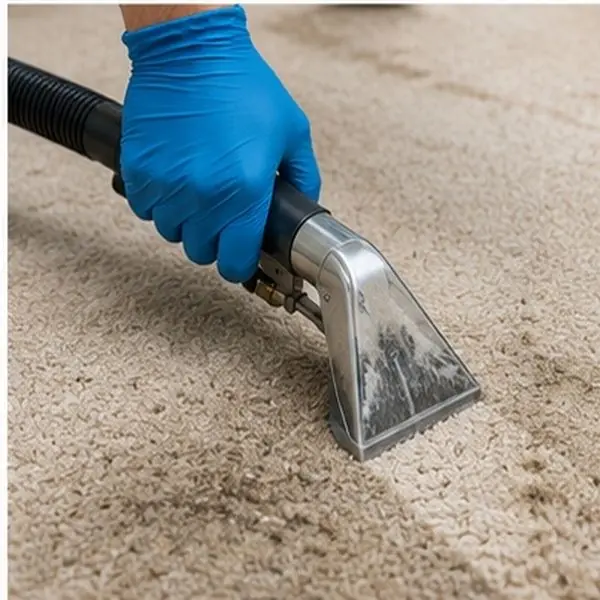
Single marks, whole-piece spot work, and the marks left by a previous attempt — all treated in the room, at prices agreed before we start.
Sometimes one mark is genuinely all that needs doing. Sometimes the mark is what made you look properly at the rest of the piece. We will quote both and tell you honestly which we would spend the money on.
Sofas, armchairs, dining chairs, bed heads, ottomans and scatter cushions — anywhere a mark has landed.
Low-residue, biodegradable solutions chosen so a family can use the furniture again the same day.
Same-day slots most weeks, and a 24/7 line for the spill that has just gone over.
The two we treat most. Tannin agents rather than detergent, and fresh ones usually lift out completely.
Enzyme treatment at controlled temperature, because heat sets protein into fibre permanently.
Solvent-side chemistry, which is why water-based home attempts on these fail so reliably.
Restaurants, hotels, offices and venues — spot work on seating between services, by an experienced insured crew, outside trading hours at no premium.
In hospitality a marked chair is taken out of service, and a chair out of service is a table not sold. Fast, targeted spot work keeps stock available without closing a section for a full clean.
Restaurants, cafes, hotels, function rooms, offices and clinics — all handled.
Between services, early mornings or overnight, so trade is never interrupted.
Call-out arrangements for venues that need marks dealt with as they happen.
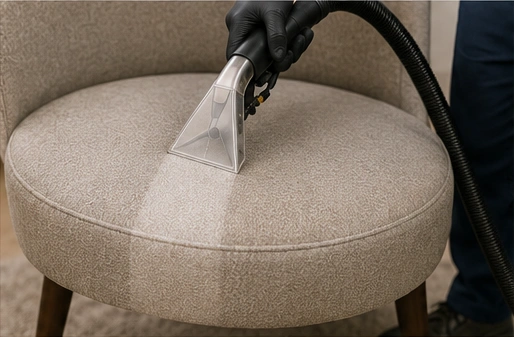
Food, wine and grease on banquettes and chairs, treated between services so seating stays in use.
Room and lobby furniture spot-treated between check-outs, so a mark does not take a room out of inventory.
Task chairs and breakout seating dealt with individually rather than pulling the whole floor out of use.
This is the service where the clock matters most. Same-day slots most weeks, and a 24/7 emergency line with a technician onsite in 60 minutes.
A fresh spill sits on the surface of the fibre and lifts out cleanly. The same spill next week has soaked into the foam, bonded to the fabric and, if anybody has scrubbed it, been driven in permanently. Ringing today rather than Monday genuinely changes the outcome.
Fresh spills go to the front of the queue. On a 24/7 emergency call-out we aim to have a technician onsite in 60 minutes.
Saturday and Sunday appointments, plus evening slots. Weekends carry no premium.
Urgent means we come sooner, not that we skip the spot test or load the price.
Blot with a clean white cloth, outside in, pressing rather than rubbing — then ring us.
Do not reach for anything under the sink. Most permanent stains were set by the person trying to remove them.
Urgent work is quoted the same way as everything else — up front, with no call-out loading.
Marks sort into families, and the family decides the treatment. Find yours below — including the ones we will tell you not to bother with.
The classic panic spill and one of the more treatable families. Tannins respond to a mild acid rather than detergent, which is the opposite of what most people reach for. Fresh, they lift almost completely; old, they usually fade back a long way.
The family where heat is the enemy. Steam on a protein stain cooks it into the fibre permanently. These want enzyme treatment at controlled temperature with enough dwell time to actually digest the residue, then sanitising.
Water-based products slide straight off these, which is why they resist household attempts so stubbornly. They need a solvent — and on an S-code fabric solvent is the only thing permitted anyway.
The unpredictable family. Ballpoint sometimes reduces and often does not. Denim and rug dye that has bonded into a pale weave is a new colour rather than soiling. We treat these with the odds explained honestly first.
A contaminant rather than a mark: urine passes through the fabric into the foam and reactivates on warm days. Treated to the depth it reached with enzymes rather than masked, and honestly assessed where it has been there for years.
This is where we tell you no. Bleach and benzoyl peroxide have removed the colour, so there is nothing left to clean, and sun bleaching along a window line is damage. We can often improve these; we will not promise to remove them.
Wine, tea, coffee, fruit juice. Mild acid agents, dwell time, and extraction at depth so nothing wicks back up as the foam dries.
Milk, blood, vomit, egg, pet accidents. Enzymes at controlled temperature, never heat, then a sanitising pass after extraction.
Food oil, make-up, sunscreen, hair product and body oil. Solvent-based treatment, rinsed so no solvent residue remains in the fabric.
Ink, denim transfer, bleach and sun fade. Reducing agents where they apply, and an honest verdict where they do not.
The full range, available across Sunshine and surrounds
Fabric sofas cleaned in the room by technicians who read the care code before a product is opened. Low-moisture extraction lifts body oils and spill marks out of the weave without soaking the foam, so the sofa is back in use the same evening.
Learn MoreThe couch takes the crumbs, the pets, the homework and the Friday night takeaway. Every cushion face, both sides, plus the crevices, the back panel and the frame between the seats — cleaned in one visit while the couch stays where it is.
Learn MoreA three-piece suite cleaned as one job rather than a sofa at a time. The setting up happens once, the pieces come back matching, and the whole lounge room is finished inside a single visit at a better rate per piece.
Learn MoreAniline, semi-aniline, pigmented, bonded and vinyl each need a different hand. pH-balanced cleaning followed by a conditioning pass puts the oils back, which is what stops the seat panels cracking across in a few summers.
Learn MoreOne chair is a small job and we treat it as a real one. Recliner mechanisms, wingback crowns, tub chairs and inherited pieces with no label left in them — each cleaned to what the fabric will actually tolerate.
Learn MoreSeat pads that have caught years of Sunday lunches, plus the buttoned backs and the front edge where everything lands. Show wood and timber legs kept dry throughout, and the set is priced together rather than one chair at a time.
Learn MoreUrine passes through the fabric and sits in the foam, which is why a surface clean works for a week and then the smell comes back on the first warm day. We find it, treat it at that depth, and tell you honestly when a cushion insert is the only real fix.
Learn MoreWhat to do in the first two minutes, and what never to do at all — the advice our technicians give on every job.
Blot with a clean white cloth, outside in, pressing rather than rubbing
Ring us on anything pale, anything protein, or anything you cannot identify
Fresh spills lift out cleanly; by next week they have set into the weave
Scrub, apply heat to a protein mark, or use a supermarket bottle on a code you have not read
Cold, damp weeks slow drying right down, which is when a treated spot is most likely to wick a shadow back up.
Warm humid days are when an untreated protein or pet mark makes itself known again, because the residue rehydrates.
A spill on a piece against an external wall dries more slowly than the same spill in the middle of the room.
A west-facing window will fade the fabric around an old mark, so the mark eventually reads as lighter rather than darker.
The difference between a spot that comes out and a spot that becomes permanent is almost never the product. It is whether the chemistry matched the mark and whether anybody scrubbed.
Send a photo of the mark and tell us what has already been tried. You will get a straight answer today.
One rate across the map, with no travel fee and no postcode surcharge — and no minimum, so one mark is a normal booking.
Spot work is short, so it fits into a day where a bigger job would not. That is exactly why same-day calls for fresh spills are realistic here rather than a slogan, and why it is worth ringing in the morning rather than assuming next week.
A two-hour window rather than a whole day, with a call before we set off.
Fresh spills go to the front of the queue, because every hour makes them harder to remove.
Give us the street and a photo of the mark, and we will tell you straight away.
Real marks, shot either side of a single treatment. Judge the results for yourself.
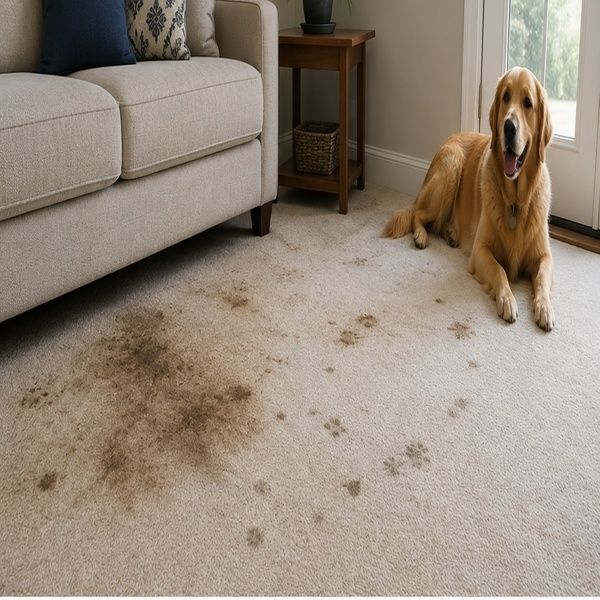
A set-in mark that a previous home attempt had spread and ringed. Stain family identified, agent tested out of sight, treated with dwell time rather than pressure, then extracted to depth and blended to the seam.
Unedited reviews from homes across Melbourne. The same crews, vans and equipment run the Sunshine upholstery stain removal jobs.
Great experience and a great job getting stains out of my couch. Fast and reliable.
Sam did a great job, he came promptly, and explained everything very well. We will be very pleased to have him come again to check and to make sure we do not have further problems.
I’m really happy with the cleaning service. The team did a great job, and the difference was noticeable straight away. Everything looked cleaner and felt much fresher. I would definitely use their service again.
Sam did an excellent job.
We inquired about a quote and had a call back within 30 minutes, then he came out the very next day!
So happy with how informative and helpful he was.
Will definitely recommend to anyone who needs this service!
Book in the morning & it was done in the afternoon, thank you so much.
Sam was very helpful and informative, very friendly and a pleasure to do business with. Price was very good for the service we recieved. Very happy with the response and how quick he came.
Tell us what was spilled, roughly when, what you have already tried on it, and what the fabric is if you know. A photo helps more than anything.
Sunshine 3020 VIC and the surrounding Melbourne suburbs
Fresh spills answered 24/7 — ring rather than waiting until morning.
The questions our technicians get asked most often on Sunshine jobs, answered plainly by people who do the work
Send us a photo of the mark and what has already been tried, and get an honest verdict today — including on the rare occasion the honest answer is that it will not come out.
Same-day bookings across Sunshine and its surrounds. Upfront quotes, no obligation, low-impact products suitable around kids and pets.